
1958 / Tour de France
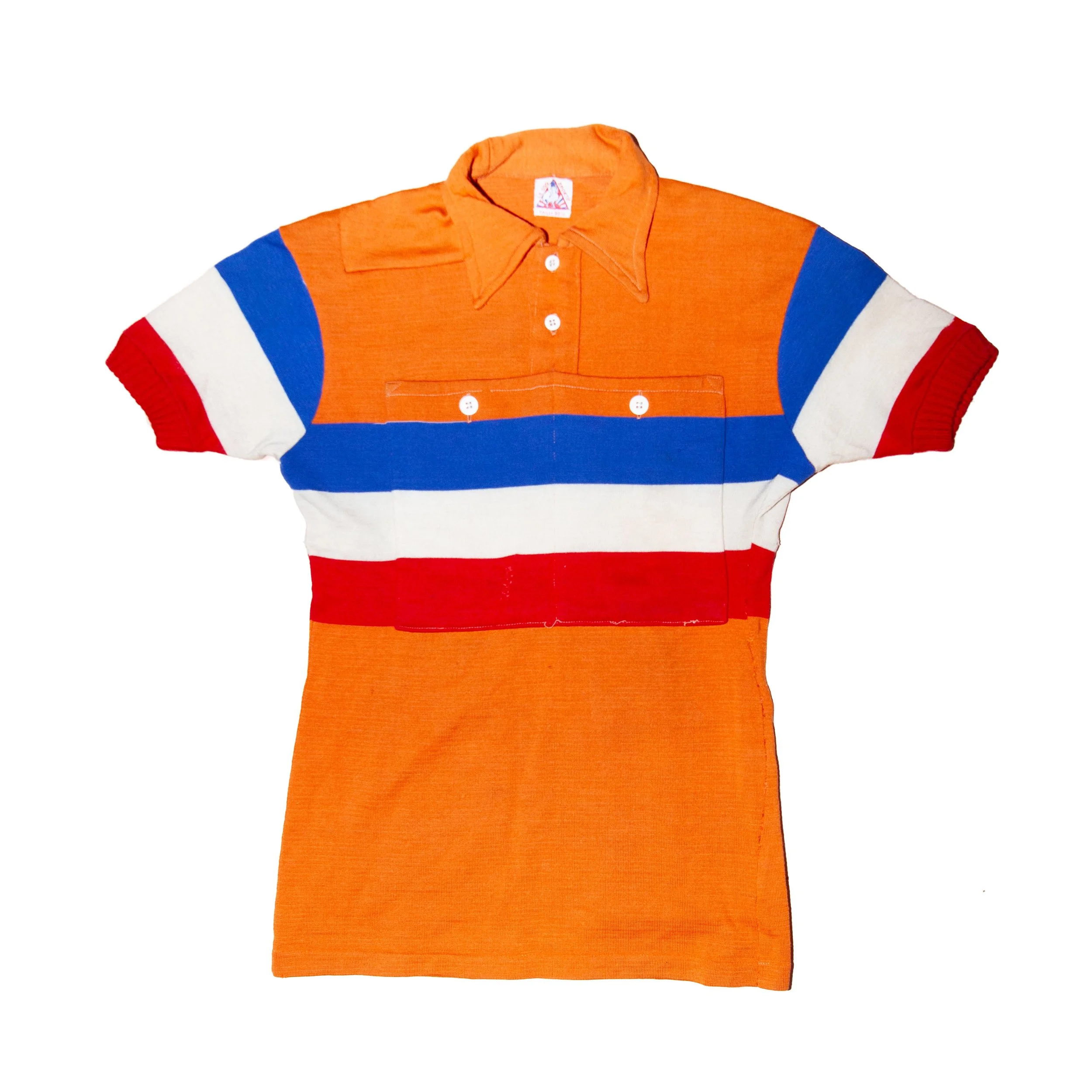
Year: 1958
Race: Tour de France
The Tour de France 1958 unfolded in an era when national and regional teams defined the structure of the race, creating a very different dynamic from the trade-team dominance seen today. Among these was the combined Dutch–Luxembourg squad, an intriguing mix of a rising cycling nation and one with an already rich Tour pedigree. That year would ultimately belong to Charly Gaul, whose extraordinary climbing ability—and legendary ride through a snowstorm in the Alps—secured him overall victory.
On paper, Gaul was part of the Dutch–Luxembourg team, but the reality in the peloton was far less straightforward. Unlike modern cycling, team tactics were loose, communication was limited, and hierarchy was not always clearly enforced. Gaul himself was known as a solitary and enigmatic rider, often riding his own race. He would conserve energy in flatter stages, sometimes losing time deliberately, before unleashing devastating attacks in the mountains. His Tour victory owed as much to individual brilliance as to any form of team support.
For the Dutch riders in the squad, the race had a different meaning. Dutch cycling in the late 1950s was still establishing itself, and opportunities were often taken on a personal basis. Rather than working exclusively for Gaul, riders sought their own chances in breakaways or aimed for stage results. The shared jersey symbolized unity, but in practice the team functioned more as a collection of individuals with overlapping ambitions.
Without commercial sponsors, the team was organized along national lines, supported by federations rather than brands. This lent the jersey a sense of identity rooted in country rather than commerce. Although the Dutch–Luxembourg team did not dominate the race collectively, their presence reflected a transitional moment in cycling history—when national pride, individual flair, and unpredictable racing combined to shape one of the sport’s most iconic Tours.